
Published by Modern Dating Guide
A profile detail gives the question somewhere real to land
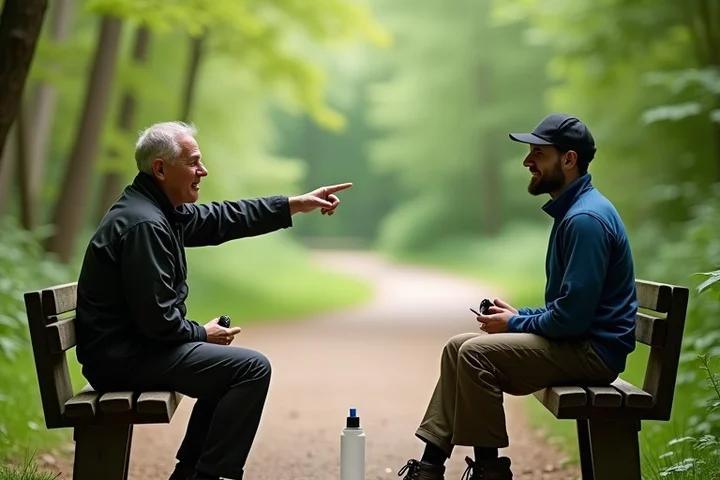
Weak: Your hiking photo looks fun. The compliment gives the other person little to add beyond thanks, because it notices the image without asking about the experience. Edited: I noticed the trail photo—what made that hike worth remembering. A question tied to a detail can invite a story and give the profile owner a clear starting point.
Variations follow the same repair: What did you enjoy most about that trip to Santa Fe for a destination; you mentioned pottery, what have you enjoyed making lately for a hobby; and you prefer quiet weekends, what does one usually look like for a stated preference. A profile prompt about cooking also supports What dish do you make when you want a reliable win.
Open prompts invite stories instead of one-word answers
Weak wording such as Do you like to travel invites yes or no. Edited wording such as What trip have you taken that you still talk about gives the other person a destination, memory, and reason to elaborate. The same structure works for food: What meal do you keep returning to, and what makes it good. Specific nouns make answering easier than a broad request for personality.
Routine and weekend prompts benefit from the same shape. What does a good Saturday usually include is more useful than What do you do for fun. Variations include What part of your week do you look forward to, what interest has held your attention lately, and what is your favorite low-effort meal after a long day. Each prompt offers a path into detail without demanding a full biography.
Light lifestyle questions can reveal useful compatibility clues
Early wording such as Are you free every weekend feels like a scheduling screen. Edited wording such as What does your week usually leave time for keeps the subject practical while inviting context about work, friends, rest, or hobbies. A follow-up about an open evening then feels connected to what the person shared, including whether their availability suits the pace of conversation.
Social energy works best through preference questions: After a packed week, do you usually want a quiet night or plans with people. Habit questions can stay equally light: What helps a busy day feel manageable, or what small routine keeps you grounded. Later, a more substantive prompt such as What kind of time together feels easiest for you can build on those answers without presenting a formal screening checklist.
Useful interests also emerge through ordinary choices. Someone who enjoys cooking, exercise, reading, live events, or neighborhood walks gets a chance to describe how that interest fits into life. The point is not to score each reply; it is to learn whether conversation about time, energy, and shared activities feels natural.
A good follow-up responds to what was actually said
Weak follow-up: Nice, I like museums too. What else do you do. It changes subjects before using the detail already offered. Edited: You mentioned visiting small museums on weekday mornings—what kind of exhibit pulls you in. That follow-up reflects the answer, asks for one useful detail, and keeps the exchange anchored to the person's words.
A brief related share adds reciprocity: I went to a photography exhibit last month and ended up staying for the audio guide, followed by what did you notice first. Other variations include That sounds like a demanding project, which part has been most satisfying; and I also cook when I need to reset, what dish works for you. That small addition can turn an information request into an exchange.
Some questions flatten the conversation or cross a line too early
Weak: Tell me about yourself, followed by Where do you live, what do you do, and what are your hobbies. The first prompt is too broad, while the rapid sequence feels like form completion. Edited: Your profile mentions weekend cycling—what keeps you coming back to it. One focused prompt gives the other person a manageable subject, and the next question follows the answer instead of arriving as a stack.
Overly personal wording such as Why did your last relationship end asks for private history before trust exists. A more voluntary version is What helps you feel comfortable getting to know someone new. Hidden-test wording, such as You do not seem like a pet person, invites defensiveness because it contains an assumption. A cleaner version is I did not see pets mentioned in your profile—are animals part of your day. These edits remove the test, the demand, or the assumption while preserving a path to real conversation.
Before you move on
How many questions should I put in one dating-app message
One main question keeps the reply manageable, especially early in a chat. A related sentence about your own answer gives the other person something to respond to beyond the prompt.
What should I ask when a dating profile has very few details
Use a light choice with an opening for explanation, such as What has been the best part of your week so far. Sharing your own answer first helps the exchange feel less like a request for information.