
Published by Modern Dating Guide
A first-date format should make conversation possible without forcing it
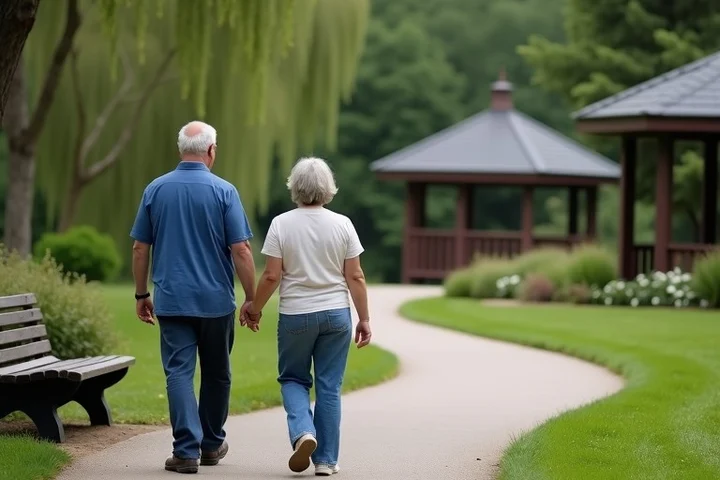
Suppose the first meeting lands after work, with limited energy and no certainty about chemistry. A quiet café, a short walk, or a small gallery visit gives attention somewhere to rest while leaving conversation available. Noise and attention demands shape that balance: a loud venue makes talking effortful, while a complicated activity turns every pause into an instruction. Long travel adds pressure before the date begins, and an open-ended reservation makes a quick departure awkward. Budget, shared interests, seating, bathrooms, weather exposure, and the distance between stages all belong in the format. The strongest plan has a defined first segment, a manageable cost, and a nearby change of scene if both people want one.
Low-cost and casual plans keep the first meeting proportionate
Coffee keeps time and spending bounded, especially when the meeting follows a workday or fits between other plans. A public-area walk adds movement and removes the pressure of sitting face-to-face for the entire visit, though rain, heat, uneven paths, and limited seating change the calculation. A bookstore visit gives conversation a series of easy subjects and lets each person browse at a relaxed pace. These formats suit a first meeting when both people want low logistics and a clear stopping point.
Food-market stops create variety without requiring a full restaurant commitment. Each person chooses a small purchase, walks between stalls, and pauses at a table or outdoor seating area. The trade-off is reduced conversation during busy periods because of crowding and noise. A simple pairing works well: bookstore followed by coffee, or a short walk followed by a café. The first activity supplies movement or a shared focus; the second provides a quieter place to decide whether more time feels welcome.
Creative and active dates work when the activity fits both people
Creative plans give a date a shared task. A beginner-friendly class creates a fixed arc and an immediate subject to discuss, while a gallery visit leaves each person free to move, pause, and compare reactions. Mini-golf adds playfulness and light competition, though turns and scoring take attention away from sustained conversation. Board-game cafés offer choice and structure, yet a complex game makes the evening feel like a performance review. The activity should match the pair's actual interest and comfort with participation.
Casual outdoor activities, such as an easy park loop or a scenic public trail with seating, suit people who connect more naturally while moving. A gallery provides a quieter indoor substitute when weather changes, and a short class replaces a longer outing when stamina is limited. High-focus activities, loud rooms, or fast physical games leave less attention for learning about one another. Creative and active formats work best when the activity supports the meeting instead of becoming the entire assignment.
Weather and energy changes call for a backup format
Weather turns a promising outdoor plan into a tiring one, while a long day, sensory sensitivity, mobility concern, or packed schedule changes the right level of activity. Pairing two nearby settings keeps the plan adaptable without creating a complicated itinerary.
- Point: Outdoor plan with an indoor fallback Detail: A short walk paired with a nearby café, bookstore, or gallery preserves the original idea while giving both people shelter, seating, and a quieter option. Travel stays manageable when the second setting is close.
- Point: Energy or mobility mismatch Detail: A seated café, accessible cultural venue, or brief daytime visit reduces walking and sensory load. The trade-off is less movement and novelty, which suits a low-stamina evening but often feels flat for two people seeking a more active shared experience.
A flexible plan has a clear start and a voluntary second half
A coffee meeting followed by a short walk gives the evening a contained first half and an optional second half. An early gallery visit followed by a snack follows the same shape: the venue provides a shared focus, then the food stop creates space for more conversation. Illustrative example: a 45-minute café visit ends near a bookstore, with browsing offered only if both people still feel engaged. The stopping point comes before fatigue or obligation takes over. If both want the extension, the plan grows naturally; if one person prefers to leave, the original segment has already done its job. That structure keeps interest from becoming pressure and makes the date easier to adjust in real time.